
Ledger® Live Wallet— Getting Started™ | official Ledger™
Ledger Live Login helps users understand secure account access, device connection, and wallet management while using compatible Ledger hardware and Ledger Live features.
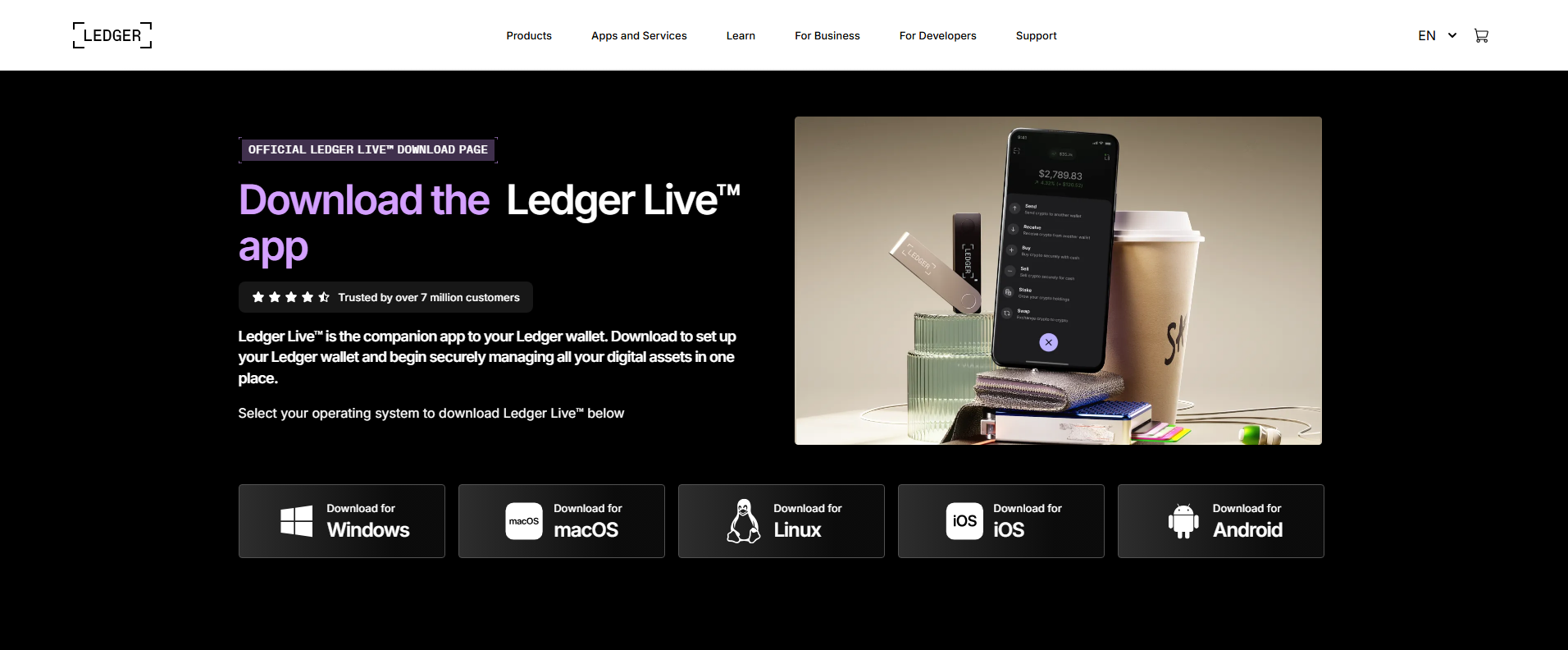
Ledger Live Login: A Practical Guide to Secure Wallet Access
Managing cryptocurrency requires careful attention to both convenience and security. Users often search for “Ledger Live login” when they want to access their wallet application, check account information, manage supported assets, or connect a Ledger hardware wallet. Understanding how Ledger's wallet software works can make the process easier while helping users avoid common security mistakes.
Ledger has been transitioning its software branding from Ledger Live to Ledger Wallet, so users may see both terms when looking for current information. The desktop and mobile applications are designed to work alongside compatible Ledger hardware wallets rather than replace the security provided by the physical device.
What Does Ledger Live Login Mean?
The phrase Ledger Live login can be slightly misleading because the wallet application does not work like a typical online banking website that requires a username and password for every session.
When users search for Ledger Live login, they may actually be looking for instructions on how to open the Ledger application, connect their hardware wallet, access accounts, or continue the wallet setup process.
The important part is understanding which application and device are being used and ensuring that the software has been obtained from an official source.
How Ledger Wallet Access Works
A Ledger hardware wallet and its companion application perform different roles.
The application provides an interface for viewing supported accounts, managing assets, and preparing transactions. The physical Ledger device provides an important security layer for protecting sensitive wallet credentials and authorizing transactions.
This means that simply opening the desktop application is not the same as logging into a conventional custodial cryptocurrency account.
Users should always keep control of their physical device and protect their recovery information.
Preparing for Ledger Live Access
Before opening the application, make sure you are using a trusted computer or mobile device. Keeping the operating system and security software updated can reduce avoidable risks.
If you are using a Ledger hardware wallet, keep the device nearby and make sure you know the PIN required to unlock it.
You should also avoid following unexpected links that claim to provide a Ledger login page. Scammers frequently create fake websites designed to imitate cryptocurrency wallet services.
Using the Official Ledger Application
When searching for Ledger Live, Ledger Live login, or Ledger Wallet information, start by verifying that you are using an authentic Ledger source.
Ledger's current branding may display Ledger Wallet rather than Ledger Live, but older references and search results can still use the Ledger Live name.
Download the application only through legitimate Ledger channels. Never install wallet software from unknown websites, file-sharing services, pop-up advertisements, or unsolicited messages.
A genuine-looking interface does not guarantee that a website or application is legitimate.
Connecting Your Hardware Wallet
After opening the appropriate Ledger application, connect your compatible hardware wallet using the supported connection method.
The device may need to be unlocked before the application can access compatible accounts. Follow the instructions shown by the application and pay attention to any messages displayed directly on the Ledger device.
The physical device is especially important when approving transactions. If the transaction information shown on the hardware wallet does not match what you intended to do, stop before confirming it.
Why Your Recovery Phrase Matters
A recovery phrase is one of the most sensitive pieces of information associated with a self-custody wallet.
It should remain private and should not be shared with another person, entered into random websites, or sent through email or messaging applications.
A person claiming to be Ledger support should not need your complete recovery phrase to help with ordinary wallet questions.
If a website asking for a Ledger login also requests your recovery phrase, treat that as a major warning sign and leave the page.
Avoiding Fake Ledger Login Pages
One of the biggest risks for cryptocurrency users is phishing. A fake login page may copy familiar branding, colors, buttons, and language to make the website appear legitimate.
Some fraudulent pages use urgent messages such as security alerts, account verification notices, or claims that a wallet has been blocked.
Do not let urgency replace verification.
Before entering any sensitive information, check the website address carefully. Avoid clicking suspicious links received through social media, email, messaging applications, or unknown advertisements.
Understanding Ledger Accounts
Ledger wallet accounts are associated with supported blockchain networks and assets. The application can display account information and help users manage compatible cryptocurrencies.
A user may have multiple accounts depending on their assets and preferred organization.
Before sending or receiving cryptocurrency, confirm the selected account, asset, and network. Similar names can sometimes cause confusion, particularly when different blockchain networks support related assets.
Taking time to verify the network can help prevent costly mistakes.
Checking Your Wallet Balance
After connecting your device and accessing the appropriate account, you can review available portfolio information through the application.
Balances and portfolio values can change as cryptocurrency prices move. Therefore, displayed fiat values should be viewed as current estimates rather than fixed amounts.
Reviewing account activity regularly can also help you recognize transactions that you do not remember making.
Receiving Cryptocurrency Safely
To receive cryptocurrency, users generally provide a compatible wallet address to the sender.
Before sharing an address, make sure it belongs to the correct account and supports the intended cryptocurrency. When possible, verify the address using the hardware wallet rather than trusting only what appears on the computer screen.
This additional verification step can be particularly useful for larger transactions.
Sending Cryptocurrency Securely
Sending cryptocurrency requires careful review because blockchain transfers can be difficult or impossible to reverse.
Before approving a transaction, check the recipient address, cryptocurrency, network, amount, and applicable fee.
The Ledger hardware wallet should be treated as an important verification point. Review the transaction details shown on the physical device before confirming.
If something does not look correct, do not approve the transaction.
What to Do If You Cannot Access the Application
If the Ledger application does not open correctly, avoid immediately searching random websites for a “Ledger Live login fix.”
First, confirm that you are using the correct and current Ledger application. Check your computer or mobile operating system, connection method, device status, and available updates.
Do not provide your recovery phrase to someone promising to restore access.
For security-sensitive problems, rely on official Ledger support and documentation rather than unofficial cryptocurrency forums or private messages.
Keeping Your Wallet Software Updated
Wallet software should be maintained regularly. Updates can improve compatibility, introduce new functionality, and address technical or security issues.
Install updates only through legitimate channels.
It is also good practice to keep the computer or smartphone used for wallet management updated. A secure wallet environment depends on more than one application.
Common Ledger Login Mistakes
Users searching for Ledger Live login information sometimes make the mistake of expecting a normal email-and-password login system.
Other common mistakes include downloading fake software, entering recovery information into websites, trusting sponsored search results without checking the destination, and approving transactions without reviewing the Ledger device.
Understanding how Ledger's hardware and software work together can prevent many of these problems.
Building Better Ledger Security Habits
A secure wallet routine starts with simple habits.
Use authentic Ledger software, keep your hardware wallet under your control, protect your recovery phrase, verify website addresses, review transactions carefully, and avoid unsolicited support messages.
When searching for ledger live login, remember that finding the correct application is only one part of secure wallet management. The way you handle your device, recovery information, and transactions is equally important.
Final Thoughts
Ledger Live login is commonly searched by users who want to access or manage their Ledger wallet application. Because Ledger's software naming has evolved toward Ledger Wallet, users may encounter both Ledger Live and Ledger Wallet terminology during their search.
The safest approach is to use authentic Ledger software, connect your genuine hardware wallet, protect your recovery information, and carefully verify every important transaction.
Whether you are a new user beginning with Ledger wallet setup or an existing user checking your accounts, understanding the difference between the application and the hardware device can make cryptocurrency management more secure and predictable.
Updated about 5 hours ago