
Getting™ Started | Ledger® Live: Desktop® — official
Ledger Live Desktop provides a convenient desktop platform for managing compatible Ledger wallets, viewing crypto accounts, tracking assets, installing apps, and reviewing transactions.
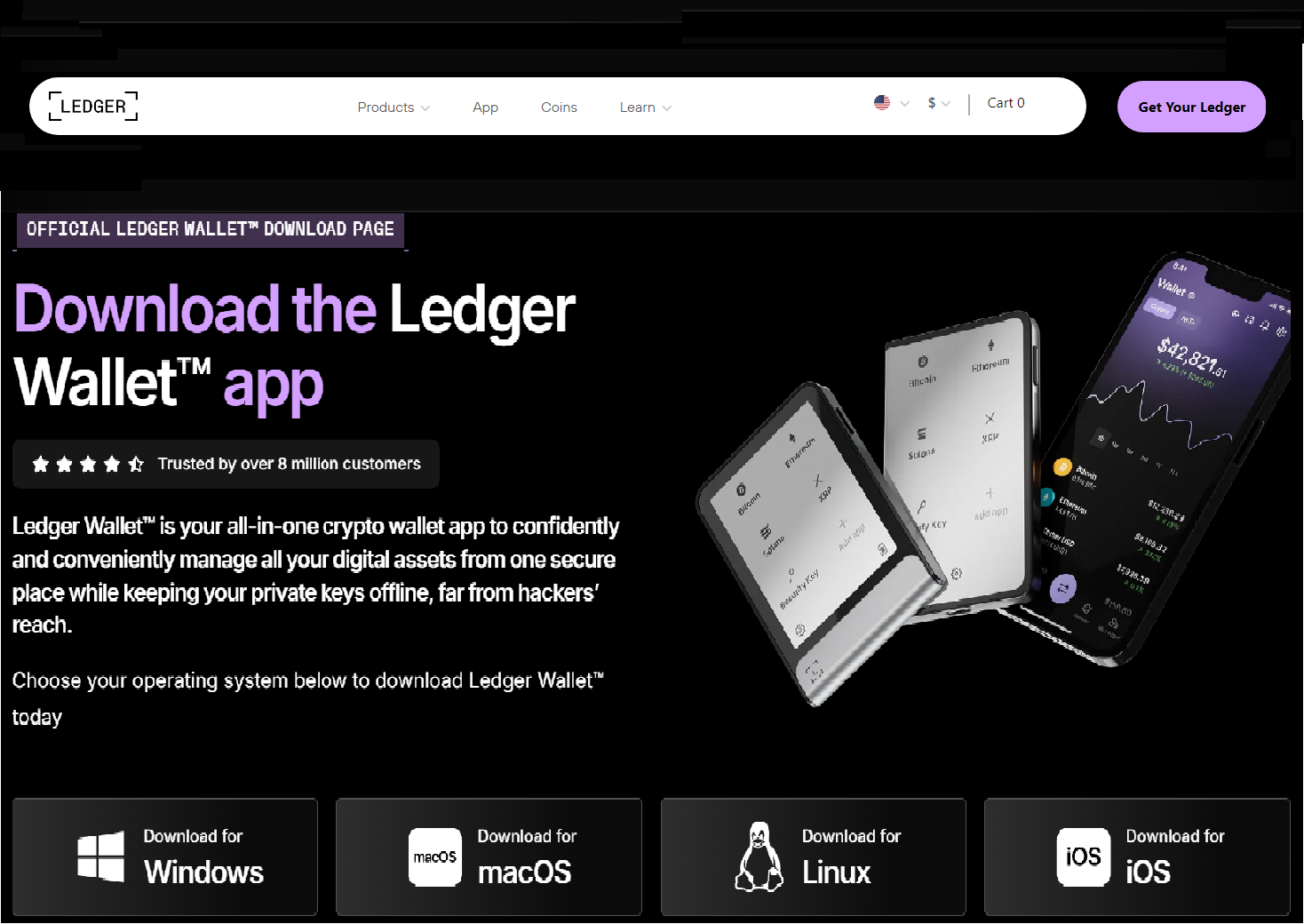
Ledger Live Desktop: A Complete Guide to Secure Crypto Management
Managing cryptocurrency from a computer can become much easier when your wallet interface and hardware security work together. Ledger Live Desktop has traditionally been used as the desktop companion application for Ledger hardware wallets, giving users a convenient way to view accounts, manage supported assets, install blockchain applications, and confirm transactions.
For people searching for ledger live desktop, understanding how the application works is an important part of creating a secure and organized crypto management routine. The desktop interface provides the tools needed to interact with digital assets, while the connected Ledger hardware wallet provides an additional security layer for transaction authorization.
What Is Ledger Live Desktop?
Ledger Live Desktop refers to the desktop experience used with Ledger hardware wallets. Ledger has been transitioning its product naming from Ledger Live to Ledger Wallet, so users may encounter both names when searching for the application, documentation, or setup information.
The desktop application is designed to bring wallet management features into one interface. Depending on the supported asset and available services, users can review balances, manage accounts, install applications, and access additional cryptocurrency services.
The most important distinction is between the software interface and the hardware wallet itself. The application helps users interact with their accounts, while the Ledger device is used to protect sensitive wallet credentials and authorize important actions.
Why Use a Desktop Wallet Interface?
A desktop environment can provide a comfortable workspace for cryptocurrency management. Larger displays make it easier to review account information, examine transaction details, and organize multiple assets.
Ledger Live Desktop can also be useful for users who regularly manage several cryptocurrency accounts. Instead of relying on multiple unrelated interfaces, a compatible Ledger application can provide a centralized view of supported accounts.
However, convenience should never replace security. Users should continue verifying transaction information directly on their Ledger device before approving an operation.
Preparing for Ledger Live Desktop
Before installing or using the desktop application, it is useful to prepare a secure workspace. A personal computer with current operating-system updates is preferable, and users should avoid installing wallet software from advertisements, unofficial download pages, or unknown sources.
A genuine Ledger hardware wallet should also be available and kept under the user's physical control.
During setup, users should be particularly careful with recovery information. A recovery phrase is highly sensitive and should never be entered into an unknown website, shared through email, or provided to someone claiming to offer technical support.
Installing the Desktop Application
The first step is obtaining the Ledger application from an official Ledger source. Depending on the current product naming and version, users may see Ledger Wallet rather than the older Ledger Live name.
The desktop application is available for major desktop operating systems, including Windows, macOS, and Linux.
After downloading the appropriate version, follow the installation instructions shown by the operating system. Once installation is complete, open the application and proceed through the available onboarding instructions.
Avoid using modified installers or unofficial copies. Wallet software should always be treated as security-sensitive software.
Connecting a Ledger Hardware Wallet
After installing the application, connect the Ledger device using the supported connection method. The device may need to be unlocked before the desktop application can interact with it.
The hardware wallet and desktop application perform different jobs. The application provides the user interface, while the physical device helps protect the credentials used to authorize transactions.
When a transaction is prepared, users should carefully review the details shown on the hardware wallet itself. Confirming information on the physical device provides an important opportunity to detect incorrect or unexpected transaction details before approval.
Setting Up Cryptocurrency Accounts
Once the device is connected, users can begin organizing supported cryptocurrency accounts. The available process can vary depending on the blockchain network and application version.
Users may need to install the relevant blockchain application on their Ledger device before creating or managing an account for that network.
Keeping accounts organized can make everyday portfolio management easier. Clear account names and separate accounts for different purposes can help users understand where their assets are located.
Managing and Monitoring Your Portfolio
One of the useful aspects of a desktop wallet interface is the ability to review cryptocurrency holdings from one place. Depending on the supported features, users may be able to monitor balances, review account activity, and access additional services.
Portfolio information can help users maintain a clearer overview of their digital assets without repeatedly switching between different platforms.
Still, displayed balances and market values should be treated as informational data. Cryptocurrency prices can change rapidly, and portfolio values may fluctuate significantly.
Receiving Cryptocurrency Safely
Receiving cryptocurrency generally involves providing a compatible wallet address to the sender. Before sharing an address, users should make sure it belongs to the correct account and blockchain network.
For additional confidence, verify the receiving address using the Ledger device when the application provides that option. A small difference in an address can result in funds being sent somewhere unintended.
Users should never assume that similar-looking wallet addresses belong to the same network. Always confirm the asset and network before completing a transfer.
Sending Crypto Through Ledger Live Desktop
Sending cryptocurrency requires additional attention because blockchain transactions are generally difficult or impossible to reverse after confirmation.
Before approving a transaction, review the recipient address, network, amount, and applicable fees. The information displayed on the Ledger hardware wallet should also be checked carefully.
Only approve the transaction when the details match what you intended to send. If something looks unexpected, cancel the operation and investigate before continuing.
Protecting Your Recovery Information
Your recovery phrase is one of the most important elements of your hardware-wallet security. Anyone who obtains it may potentially gain access to the assets associated with the wallet.
For this reason, the recovery phrase should remain private and offline. Do not photograph it, store it in an ordinary cloud document, or type it into websites claiming to verify your Ledger wallet.
Legitimate support should not require you to disclose your complete recovery phrase or private credentials.
Avoiding Fake Ledger Applications and Websites
Crypto users frequently encounter websites and messages designed to imitate legitimate wallet services. These pages may use familiar branding, urgent warnings, fake security notifications, or requests for recovery information.
When searching for ledger.com/start, ledger live, ledger live desktop, or ledger login information, carefully check the website address before entering any information.
Do not trust search advertisements or messages simply because they contain familiar logos. Always verify that the software or information comes from an authentic Ledger source.
Keeping Ledger Live Desktop Updated
Wallet software should be kept current because updates can include compatibility improvements, security fixes, and support for new features.
Users should install updates through legitimate channels and avoid downloading update files from random websites.
The same principle applies to the computer and Ledger hardware wallet. Keeping the complete wallet environment maintained can reduce avoidable compatibility and security problems.
Common Ledger Live Desktop Mistakes
New users can make several avoidable mistakes during wallet setup. These include downloading software from unofficial websites, sharing recovery information, ignoring transaction details, sending assets across the wrong network, and approving transactions without checking the hardware-wallet screen.
Another common mistake is treating the desktop application as though it replaces the hardware wallet. The two components have different roles and should be understood as parts of a broader self-custody setup.
Building a Safer Crypto Management Routine
Good wallet security is not based on one action. It comes from repeating safe habits consistently.
Use official software sources, keep your computer updated, protect your recovery information, verify addresses, review transaction details, and keep physical control of your Ledger device.
When using ledger live desktop regularly, taking a few extra moments to verify important information can help reduce the risk of costly mistakes.
Final Thoughts
Ledger Live Desktop provides a convenient desktop environment for managing supported cryptocurrency accounts alongside a Ledger hardware wallet. Its purpose is to make account management, portfolio monitoring, blockchain application management, and transaction workflows easier while the hardware device provides an important security layer.
Whether you are beginning with ledger.com/start or already using ledger live desktop for everyday wallet management, security should remain the central priority. Understanding the relationship between the desktop application, hardware wallet, recovery information, and transaction approvals can help create a more responsible and organized approach to cryptocurrency self-custody.
Updated about 5 hours ago