
Ledger Live Desktop® — Getting Started | Official Ledger
Ledger Live Desktop offers a convenient way to manage compatible Ledger hardware wallets, monitor crypto accounts, review balances, and access supported wallet features.
Ledger Live Desktop: A Practical Guide to Secure Crypto Management
Managing cryptocurrency from a desktop computer can be more convenient when users have a clear interface for viewing accounts, checking balances, reviewing transactions, and interacting with a hardware wallet. Ledger Live Desktop was designed as a desktop companion for Ledger hardware wallets, giving users a central place to manage supported digital assets.
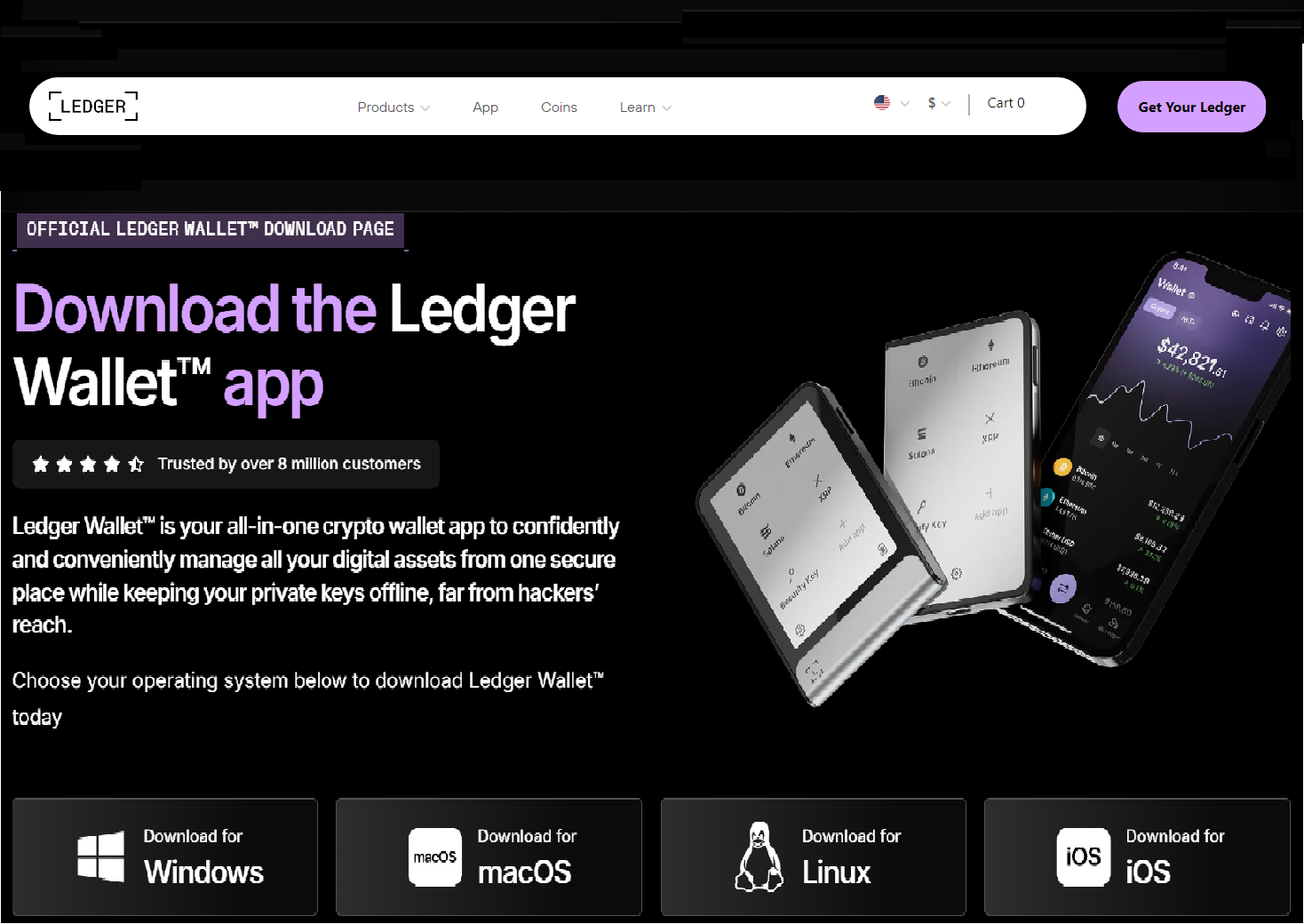
Ledger now refers to the application as Ledger Wallet, formerly known as Ledger Live. The desktop version is available for Windows, macOS, and Linux, while the broader application is also available on mobile devices.
For users searching for Ledger Live Desktop, understanding how the application works with a Ledger hardware device is an important part of establishing a secure cryptocurrency-management routine.
This guide explains the main features, setup considerations, account management process, transaction practices, and security habits associated with Ledger Live Desktop.
What Is Ledger Live Desktop?
Ledger Live Desktop is the desktop version of Ledger's cryptocurrency management application. It provides an interface through which users can connect compatible Ledger hardware devices and manage supported cryptocurrency accounts.
The application can be installed on supported Windows, macOS, and Linux computers. It can provide access to portfolio information, account management, transaction activity, supported applications, and other available features.
The desktop application and hardware wallet have different responsibilities. The application provides the interface for managing assets, while the Ledger hardware device is used as the security component for protecting private keys and confirming sensitive transactions.
Understanding How Ledger Live Desktop Works
A Ledger hardware wallet and its companion software work together rather than functioning as two completely separate systems.
Ledger Live Desktop can display account information and prepare transactions. When a transaction requires authorization, the connected hardware device provides an additional verification step.
This distinction is important for new users. The desktop application should not be treated as a replacement for the hardware device.
Ledger describes its current app as a self-custody interface, while the Ledger signer protects private keys offline and confirms transactions before they are executed.
Understanding this relationship can make the setup process easier and help users recognize why transaction details should be reviewed on the physical device.
Preparing for Ledger Live Desktop Setup
Before installing Ledger Live Desktop, use a trusted Windows, macOS, or Linux computer and make sure the operating system is functioning normally.
Download the application through an official Ledger source rather than relying on unfamiliar download websites, advertisements, email attachments, or links received through social media.
Using the correct software is an important security precaution because fake cryptocurrency applications can imitate legitimate wallet interfaces.
It is also recommended to complete the initial setup in a private environment. Avoid allowing other people to observe sensitive information displayed on your computer or hardware wallet.
Installing Ledger Live Desktop
The installation process can vary slightly depending on the operating system.
Ledger provides desktop versions for Windows, macOS, and Linux. Users should select the appropriate version for their computer and follow the installation instructions displayed by the software.
After installation, open the application and follow the available onboarding instructions.
Do not enter your recovery information into a desktop application simply because a pop-up, message, or third party claims that it is necessary. Recovery credentials should remain private.
Connecting a Ledger Hardware Wallet
After installing the desktop application, connect your Ledger hardware device using the appropriate connection method and follow the instructions shown by the application and device.
The hardware wallet may need to be unlocked before it can communicate with the desktop application.
Pay attention to the information displayed directly on the physical device. When an important action requires confirmation, compare the information shown on the device with what you intended to do.
If the information does not match, stop and investigate rather than approving the operation.
Adding Cryptocurrency Accounts
Once the Ledger device and desktop application are connected, users can add supported cryptocurrency accounts.
The available process depends on the asset and current application features. Ledger's documentation describes using the application to install cryptocurrency apps on the device and then add the corresponding accounts.
When creating an account, carefully select the correct cryptocurrency and network.
This is particularly important for users managing several assets because different cryptocurrencies can have different network requirements.
Keeping accounts organized can also make it easier to monitor balances and review transaction history later.
Managing Your Portfolio
One of the advantages of a desktop interface is the ability to review cryptocurrency information on a larger screen.
Ledger's application can provide a portfolio view where users can monitor supported assets across accounts and networks. The application also provides access to transaction histories and other account-management features.
A portfolio dashboard can be useful for users who manage several cryptocurrency accounts.
However, users should remember that portfolio values can change as cryptocurrency prices fluctuate. Displayed values should therefore be treated as current estimates rather than guaranteed amounts.
Receiving Cryptocurrency Through Ledger Live Desktop
Receiving cryptocurrency involves generating or reviewing a receiving address for the appropriate account.
Before sharing an address, confirm that you have selected the correct cryptocurrency and network.
It is also good practice to verify the receiving information on the Ledger device when the application provides an option to do so.
For larger transfers, take additional time to check the address before providing it to another person or service.
After the transaction is submitted, review the account activity and appropriate blockchain information to confirm its status.
Sending Cryptocurrency Securely
Sending cryptocurrency requires careful verification because blockchain transactions can be difficult or impossible to reverse.
Before approving a transaction, review the recipient address, asset, amount, network, and applicable network fee.
Do not rely only on the information shown on the computer screen. Review the transaction information presented on the connected Ledger device before approving it.
If the physical device displays information that differs from what you expected, cancel the operation and investigate the discrepancy.
Ledger's current security model emphasizes using the hardware signer to verify and sign transactions, making device-level confirmation an important part of the process.
Installing Cryptocurrency Apps
Ledger devices can use individual applications for supported cryptocurrencies and networks.
Within the Ledger application, users can access the area used to manage applications installed on their device. The current interface refers to this as the “My Ledger” section.
When installing an application, make sure the asset and application are correct.
Only install software through trusted Ledger resources or the supported application interface. Avoid downloading cryptocurrency applications from random websites.
Using Ledger Live Desktop for Everyday Management
Once the initial setup is complete, Ledger Live Desktop can become a central interface for routine cryptocurrency management.
Depending on the supported features, users may be able to monitor portfolios, review accounts, send and receive assets, install applications, and access additional cryptocurrency services. Ledger also provides features for activities such as buying, swapping, staking, and interacting with supported services, although availability can vary by asset, location, and provider.
Users should always review the terms and details associated with third-party transaction services before using them.
Protecting Your Recovery Information
Using Ledger Live Desktop safely still requires careful protection of recovery information.
A recovery phrase or other recovery credentials should never be entered into websites, emails, chat messages, forms, or unexpected applications.
Do not photograph the recovery information or store it in ordinary cloud storage.
Anyone who obtains sensitive recovery credentials may potentially gain control over the associated wallet. For that reason, requests for recovery information should be treated as a serious warning sign.
Avoiding Fake Ledger Applications and Websites
Cryptocurrency users frequently encounter phishing attempts designed to imitate legitimate wallet companies.
A fake website may claim that a wallet needs to be synchronized, verified, updated, or restored. A fraudulent application may use a similar name and visual design to a genuine wallet application.
Do not trust unexpected messages simply because they contain the Ledger name or logo.
Instead, access Ledger's official website directly and obtain software or instructions through trusted channels.
Never provide a recovery phrase to someone claiming to be technical support.
Keeping Ledger Live Desktop Updated
Keeping the desktop application current can help users maintain compatibility with supported devices and services.
When an update is available, verify that it originates from an official Ledger source before installing it.
Avoid clicking update links contained in unexpected emails or messages.
If an update process provides instructions for connecting or unlocking your hardware wallet, read each step carefully and verify important actions directly on the device.
Common Ledger Live Desktop Mistakes
New users can make several avoidable mistakes when working with desktop wallet software.
Downloading the application from an unofficial website is one potential problem. Another is approving transactions without checking the information displayed on the hardware wallet.
Users may also accidentally select the wrong cryptocurrency network when receiving or sending funds.
Storing recovery information digitally is another serious security concern.
Finally, responding to unsolicited support messages can expose users to phishing attacks. Legitimate-looking messages should never be treated as proof that the sender can be trusted.
Building Better Desktop Wallet Security Habits
A secure Ledger Live Desktop experience depends on consistent habits.
Use trusted software sources. Keep your computer reasonably secure and updated. Protect your Ledger device and recovery information. Verify transaction details on the physical device before approving them.
When sending cryptocurrency, slow down and check the recipient information carefully.
When receiving cryptocurrency, confirm the account and network before sharing an address.
Most importantly, do not allow urgency to override normal security procedures. Scammers often attempt to make users act quickly before they have time to verify what is happening.
Final Thoughts
Ledger Live Desktop provides a convenient desktop interface for managing cryptocurrency accounts alongside a compatible Ledger hardware wallet. Although the application makes portfolio and account management easier, secure cryptocurrency use still depends on careful user behavior.
Ledger currently uses the Ledger Wallet name for the application formerly known as Ledger Live, with desktop versions available for Windows, macOS, and Linux.
For users searching for Ledger Live Desktop, the most important principles remain straightforward: download software from trusted sources, protect recovery information, connect the correct hardware device, review transactions carefully, and remain alert to phishing attempts.
By combining a reliable desktop interface with careful security practices, users can create a more organized and responsible approach to managing their cryptocurrency assets.
Updated about 5 hours ago